Ocean Dreams: A Michael Snow Retrospective

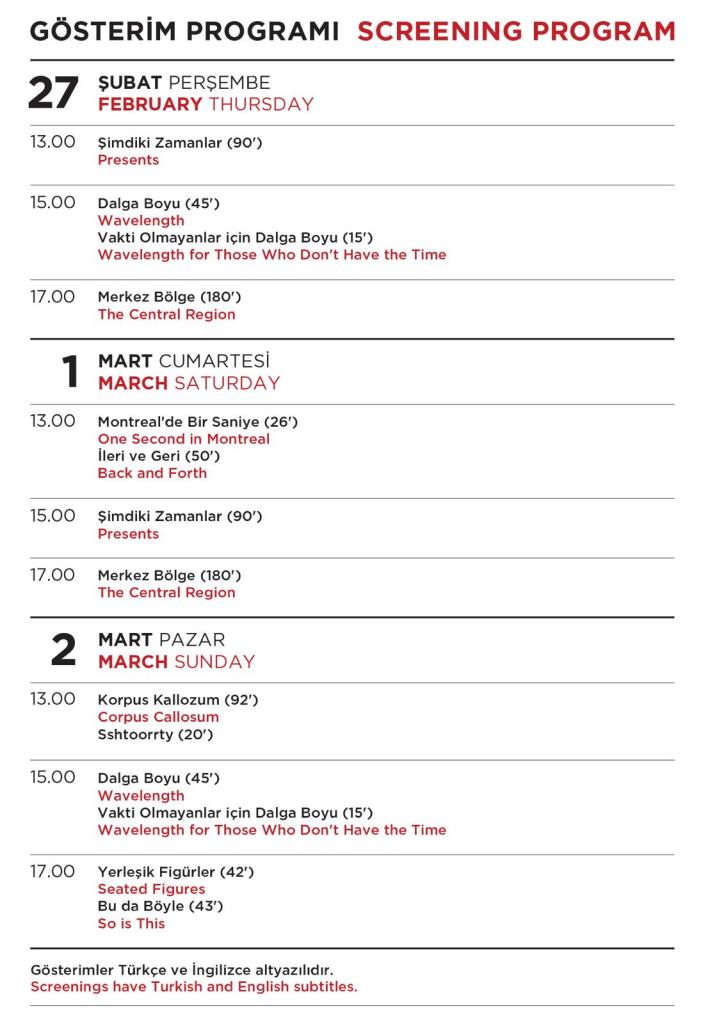
February 27–March 2, 2025
Istanbul Modern Cinema, in collaboration with the Consulate General of Canada and Othon Cinema, hosts an extensive retrospective of experimental cinema pioneer Michael Snow (1928–2023) in 16mm format. Snow, a painter, sculptor, photographer, musician, and filmmaker, transformed multiple artistic disciplines from the beginning of his career until the end of his life, while at the same time impacting the past, present, and future of cinema.
Bringing together techniques from various disciplines, Michael Snow produced dozens of films that prioritize form over content, challenging traditional notions of cinema surrounding perception, representation, and the viewer’s relationship with the film camera. Snow argued that framing, sound, time, and space were all tools for reinventing cinematic language. The ability of his films to evoke both intuitive and analytical responses ensured their influence to last for decades.
Except for The Central Region (La Région Centrale) from 1971, the majority of his films will be screened for the first time in Türkiye as part of a comprehensive selection presented in 16mm format.



Films in the Selection
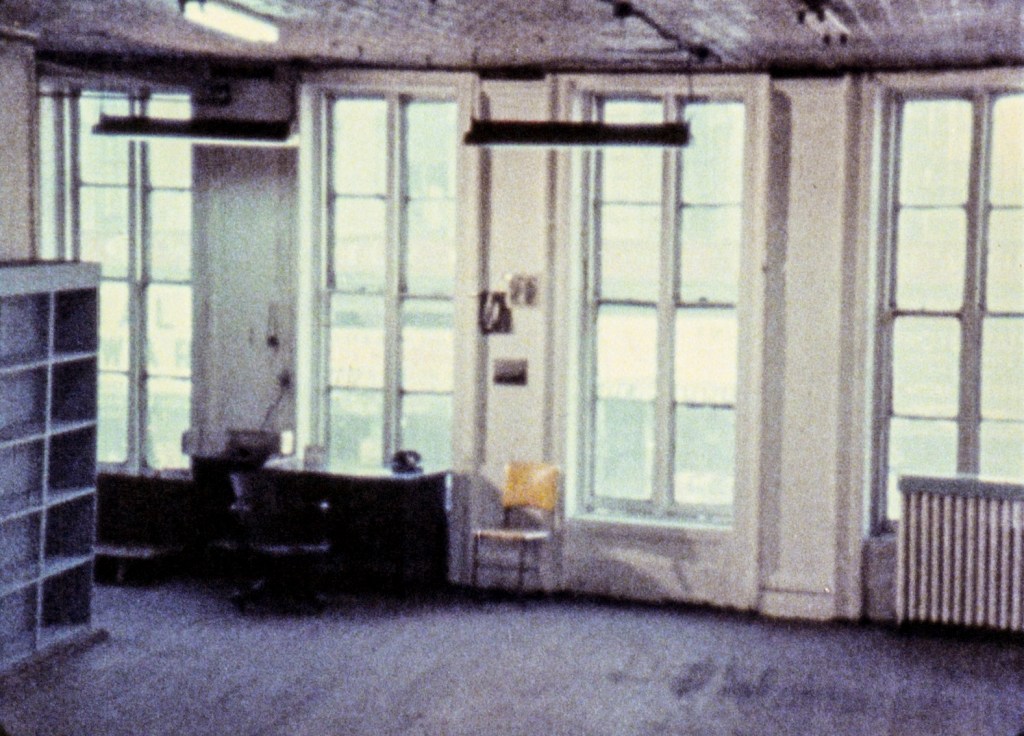
WAVELENGTH, 1967, Canada | Color, 16mm, 45’ | No Dialogue
Considered one of the milestones of experimental cinema and a pioneering film for the future of cinema, Wavelength revolves around a still shot of a room where the sound of waves outside intertwines with The Beatles song Strawberry Fields Forever, creating the image of a cinema we are not yet aware of. The film consists of a 45-minute zoom-in on a photograph hanging on the wall of a damp house. This long, constant zooming movement accompanies the film until the camera finally leaves the room and reaches the waves, the sound that we hear.
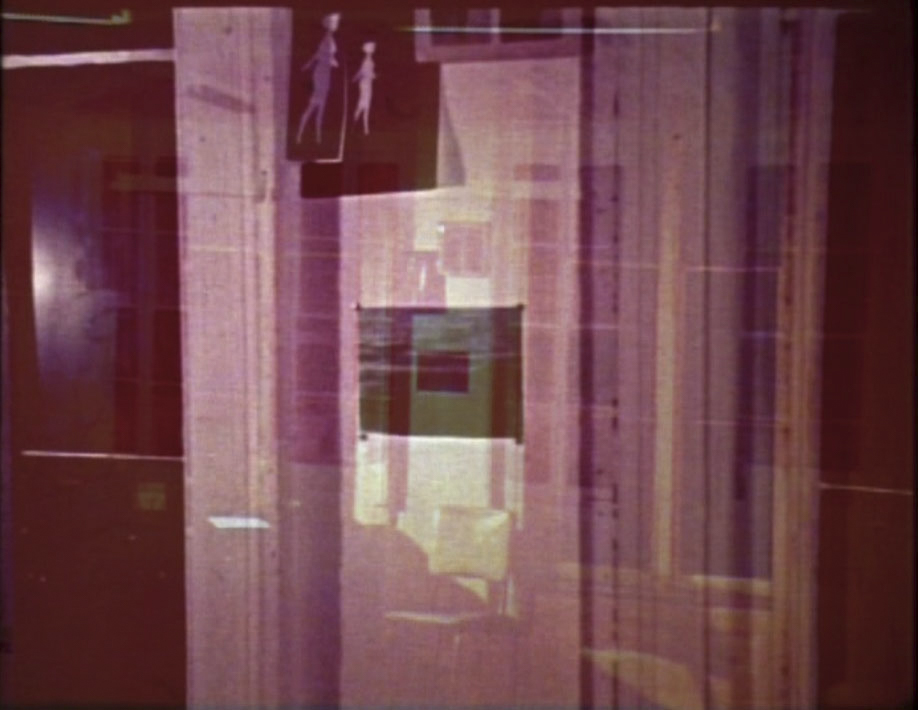
WAVELENGTH FOR THOSE WHO DON’T HAVE THE TIME, 2003, Canada | Color, Video, 15’ | No Dialogue
By removing some scenes from the film and applying a layered editing with new ideas he had acquired over the years, the director decades later gives a new perspective to Wavelength, the work for which he will be remembered. Due to his sincere bond with his audience, he presents this film as Wavelength for Those Who Don’t Have the Time.

CORPUS CALLOSUM, 2002, Canada | Video, Color, 92’ | English
Named after the communication that takes place between the two hemispheres of the brain, the “corpus callosum” in the film represents the mysterious space between illusion and reality. Positioning his camera in a Toronto skyscraper, Snow transforms the daily routines of office workers through digital manipulation, making them surreal. From time to time, he intervenes in the film by using his own voice, emphasizing his experimental approach to breaking the fourth wall.
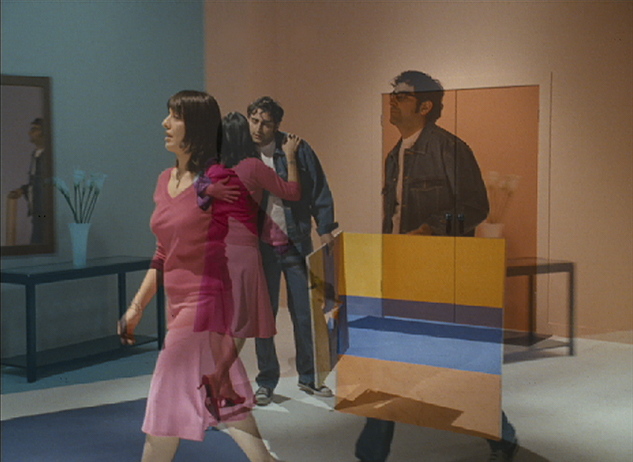
SSHTOORRTY, 2005, Canada | Video, Color, 20’ | Persian
A painter brings a painting to his lover’s apartment, but a sudden argument results in the painting being smashed over her husband’s head. The film is an experimental narrative in which this staged event is repeated 12 times, presented in Persian dialogue, and reconstructed by superimposing images and sound. The title of the film is formed by superimposing the word “short” on the word “story.” The film is constructed like a “painting” that transforms arrival and departure into a single fluid moment, where the past and the future become a simple present.

LA RÉGION CENTRALE, 1971, Canada | 16mm, Color, 180’ | No Dialogue
The director installs a machine that can rotate automatically in all directions along with a camera attached to it on top of a mountain in Quebec. For five days, one machine records the landscape, which is devoid of human beings, with the movements directed by another machine. The resulting three-hour film is considerably detached from human vision, movement, and temporality. La Région Centrale shows the known world to the viewer through unfocused, non-human eyes and an unattended temporality that is unable to withstand patience.

ONE SECOND IN MONTREAL, 1969, Canada | Black and White, 16mm, 26’ | No Dialogue
The film presents a collection of photographs of proposed sites for a memorial in Montreal, set in the snow. However, these photographs are not “artistic” images, but purely functional and documentary-oriented scenes. Snow makes the relationship between the viewer and the image extremely intense, not only by keeping selected photographs on the screen longer than others, but also by mathematically and conceptually organizing the lengths of time. As such, the film becomes a sculpture that exists in time without movement.
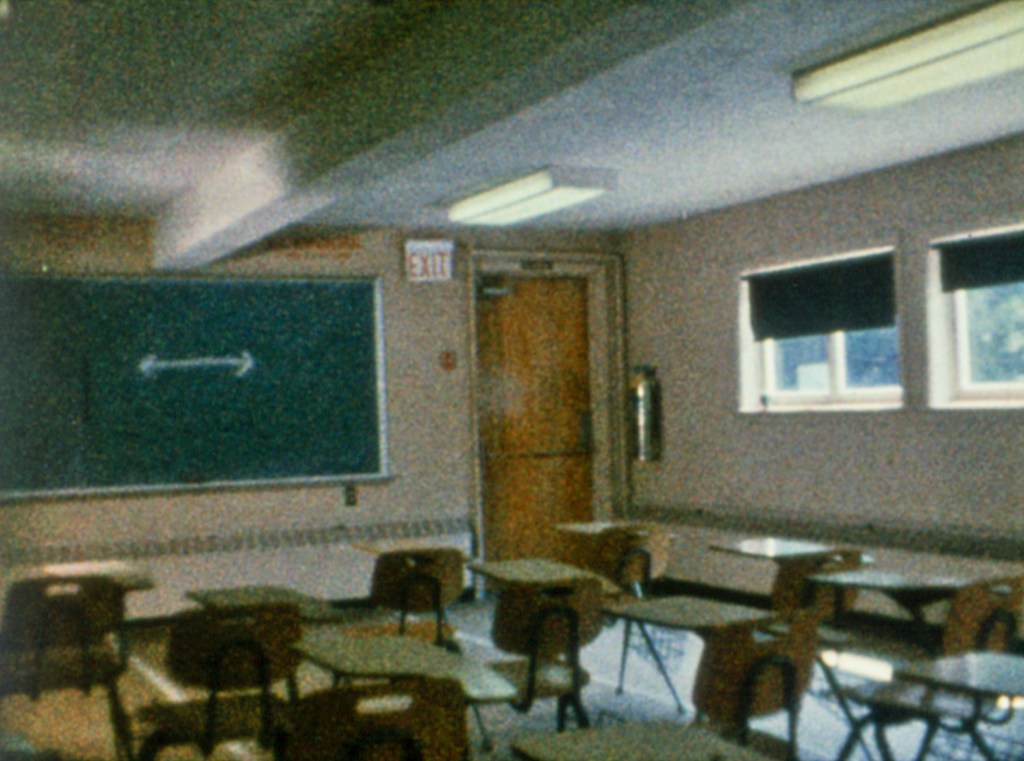
BACK AND FORTH, 1969, Canada | 16mm, Color, 50’ | No Dialogue
Shot in the inside and outside of a classroom on the campus of Fairleigh Dickinson University in Madison, New Jersey, the film features a camera constantly moving back and forth. First, it speeds up until everything inside the room in focus is blurred, then it starts to move up and down. Through movement and time, this wall is brought to a spiritual dimension. The film involves not only the mind and the eyes, as cinema often does but also incorporates the neck in the process of experiencing the film.
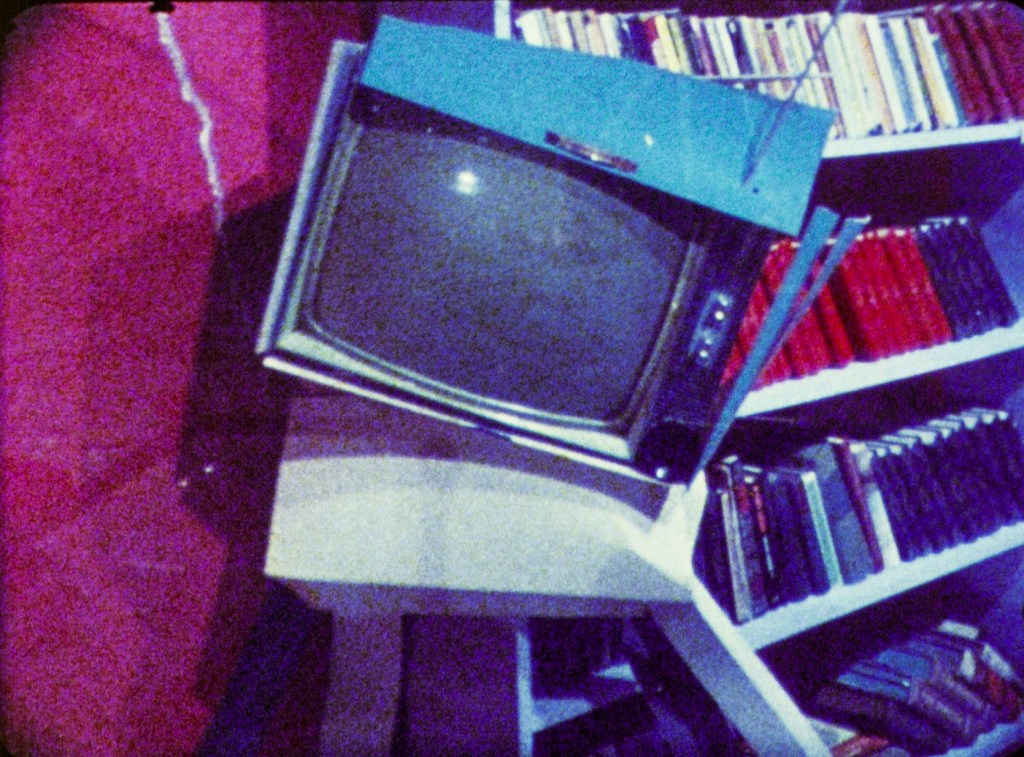
PRESENTS, 1981, Canada | Color, 16mm, 90’ | No Dialogue
In this film, one observes Michael Snow’s interest in retrospection, memory, and the memory of place. The lines at the beginning of the film literally transport us to another film within the film. As the character wakes up and transforms into a completely different person in a surreal set environment, an exaggerated satire on the structural understanding of the film begins. It is clear that it is not the camera that moves in the movie, but the whole set. Snow forces the viewer to accept the visual reality of the moment and invites them to think and question what is represented. This fictional structure of the film proclaims the irreversible loss of every moment of life.

SEATED FIGURES, 1988, Canada | Color, 16mm, 42’ | No Dialogue
In what the director describes as a “history of roads”, he makes a road movie while driving a pickup truck with his camera across a field. As the speed of travel changes, the readability of the visuals changes. Man-made surfaces turn into the variegated patterns of nature and the images oscillate between the abstract and the real. The result is a Michael Snow film that is full of contrasts but which is also nourished by these contrasts. Despite the fixed camera setup, Seated Figures is one of the most visually impressive films in Snow’s catalogue.
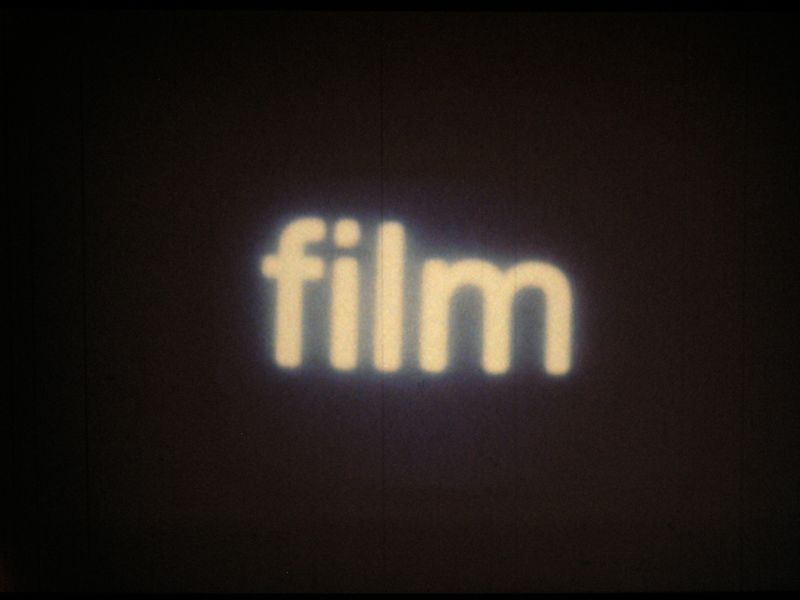
SO IS THIS, 1982, Canada | Black & White 16mm, 43’ | English
The film opens with a white text tightly framed against a black background, where each frame consists of a single word. Throughout the film, each word that appears on the screen communicates with the audience in the right proportion and in equal time. Snow breaks new ground in pushing the boundaries of cinema, turning his back on the basic medium of film, the—image—to create one of his most special works. He transforms a simple movie concept into an unpredictable and layered experience.



 Othon Cinema